
Expert Picks For Underground Water Line Installation Supplies
Get insights into top-rated tools and accessories that make underground water line installation easier and more reliable.
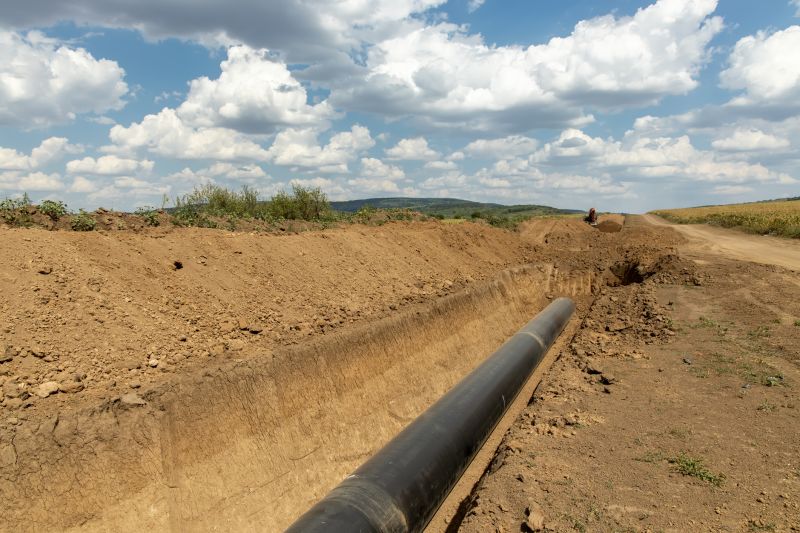 Installing underground water lines requires careful selection of appropriate products to ensure durability, safety, and ease of installation. The process often involves trenching, laying pipes, and securing connections that can withstand underground conditions. Choosing the right materials and tools is essential for a successful installation, whether for residential, agricultural, or commercial purposes. Proper planning and understanding of product options can help prevent future issues such as leaks or pipe failures.
Top Overall Option
Flexible Polyethylene Pipe System
A flexible polyethylene pipe system offers versatility and ease of installation for underground water lines. Its flexibility allows for easier maneuvering around obstacles and reduces the need for joints, minimizing potential leak points. The material is resistant to corrosion and chemical damage, making it suitable for various soil conditions. When properly installed, it provides a durable and long-lasting solution for water distribution needs.
Types of Products For Underground Water Line Installations
Flexible Polyethylene Pipes
Versatile pipes known for flexibility and resistance to corrosion, ideal for various underground applications.
PVC Water Supply Pipes
Rigid pipes made from polyvinyl chloride, commonly used for underground water lines due to their durability and ease of installation.
PEX Tubing
Cross-linked polyethylene tubing offering flexibility and resistance to temperature fluctuations, suitable for underground use.
Copper Pipes
Traditional metal pipes valued for their longevity and resistance to bacteria, often used in critical water systems.
HDPE Pipes
High-density polyethylene pipes known for high strength and chemical resistance, suitable for long-term underground installations.
Flexible Corrugated Pipes
Corrugated pipes designed for easy installation around obstacles, often used in drainage and water line applications.
PVC Fittings and Connectors
A variety of fittings to connect and extend water lines securely underground.
Compression Fittings
Connectors that provide a secure, watertight seal without the need for threading or welding.
Push-fit Fittings
Quick-connect fittings designed for fast installation and reliable sealing in underground piping systems.
Pipe Repair Clamps
Tools for repairing leaks or damaged sections of underground water pipes quickly and effectively.
Underground Pipe Locators
Devices used to detect and trace underground water lines to prevent accidental damage during excavation.
Pipe Trenching Equipment
Tools and machinery designed to facilitate safe and efficient trenching for underground pipe installation.
Waterproof Tape and Sealants
Materials used to seal joints and prevent leaks in underground water piping systems.
Backfill Soil and Gravel
Materials used to properly backfill around underground pipes to ensure stability and drainage.
Pipe Supports and Saddles
Components to secure pipes in place underground and prevent movement or stress.
Popular Choices
Widely used for their adaptability and resistance to environmental factors, suitable for various underground water line projects.
Commonly chosen for their affordability and ease of installation in underground systems.
Increasingly favored for its flexibility and ease of joining in underground plumbing applications.
Recognized for their strength and longevity, often used in long-term underground water systems.
Essential for creating secure and leak-proof underground water line connections.
Popular for quick and reliable connections without specialized tools.
Key tools for identifying underground pipes to avoid accidental damage during excavation.
Useful for quick repairs in underground water lines to minimize downtime.
Facilitates efficient trenching to prepare for underground water line installation.
Help ensure joints and connections remain watertight over time.
Commonly used to promote drainage and stabilize underground pipes.
Understanding the various types of products available can assist in making informed decisions. From flexible piping options to specialized fittings and connectors, each component plays a vital role in the integrity of the underground water system. It's important to consider compatibility with existing infrastructure, local regulations, and the specific requirements of the installation site.
Safety considerations, ease of handling, and long-term performance are also crucial factors. Many products are designed to resist corrosion, withstand soil pressure, and facilitate straightforward installation. Investing in quality components can contribute to a reliable water supply system that functions efficiently over time, reducing maintenance needs and potential repair costs.
Overall, selecting the right products for underground water line installation involves balancing durability, ease of use, and cost-effectiveness. By understanding the options and considerations involved, installers can achieve a secure and efficient water distribution network tailored to their specific needs.
Key Buying Considerations
- Compatibility with existing plumbing infrastructure and materials.
- Material durability and resistance to soil and chemical conditions.
- Pipe diameter and flow capacity requirements for the project.
- Flexibility versus rigidity based on installation environment.
- Ease of handling and installation procedures.
- Availability of fittings and connectors for seamless assembly.
- Resistance to corrosion and environmental degradation.
- Long-term performance and maintenance needs.
- Compliance with local plumbing codes and regulations.
- Cost-effectiveness relative to project budget.
- Tools and equipment required for installation and repairs.
- Availability of technical support and product documentation.
- Size and length options suitable for the installation scope.
- Compatibility with water pressure and temperature conditions.
- Ease of detecting underground pipes to prevent damage during excavation.