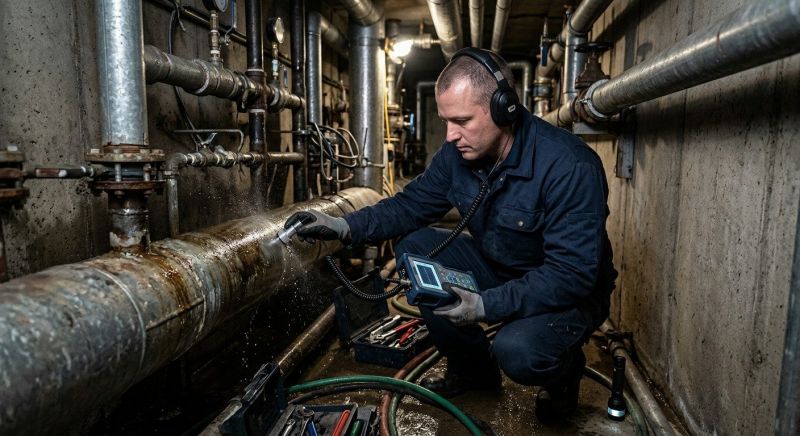
Pipe Leak Detection in Denver, CO
Pipe leak detection services involve identifying hidden leaks within plumbing systems to prevent water damage and costly repairs. These services are suitable for a variety of projects, including suspected leaks behind walls, under floors, or in underground pipes, as well as ongoing issues like unexplained water bills or damp spots. Property owners often seek leak detection when they notice signs of leaks but cannot see the source, or when they want to confirm the integrity of their plumbing before undertaking renovations or repairs.
Before requesting pipe leak detection, homeowners typically want to understand the methods used to locate leaks, such as non-invasive electronic or acoustic testing, and what areas can be examined. It’s also common to inquire about the potential need for access points or minor modifications to facilitate inspection. Knowing the scope of the service helps property owners plan for any necessary repairs and minimizes disruption to their home or business.
Many property owners in Denver, CO look into Pipe Leak Detection for repairs, replacements, upgrades, and appearance-related improvements.
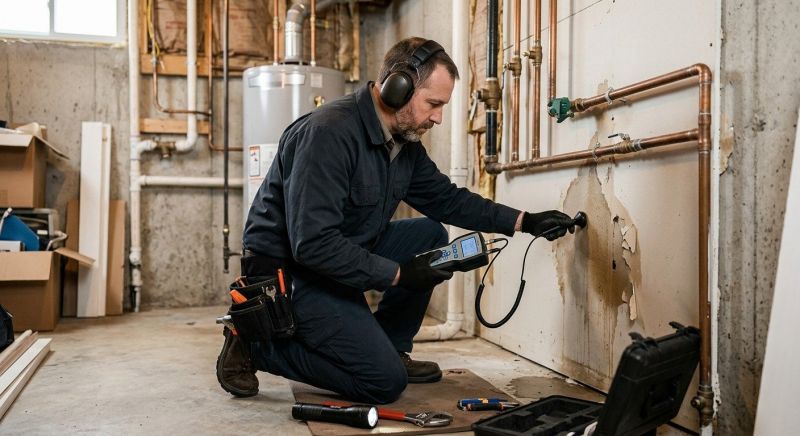
Identifying Hidden Leaks
Advanced detection methods can locate leaks that are not visible on the surface.
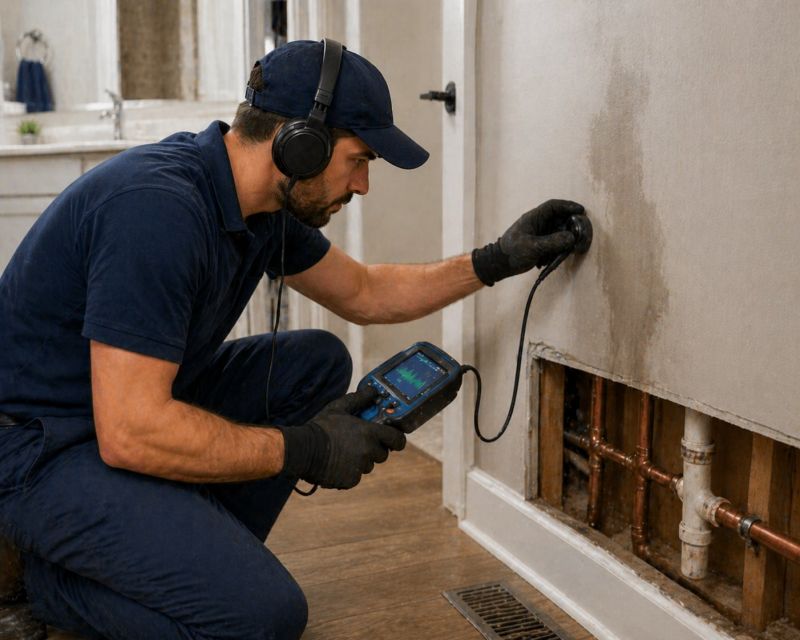
Preventing Water Damage
Early leak detection helps avoid costly repairs and property damage in denver homes.
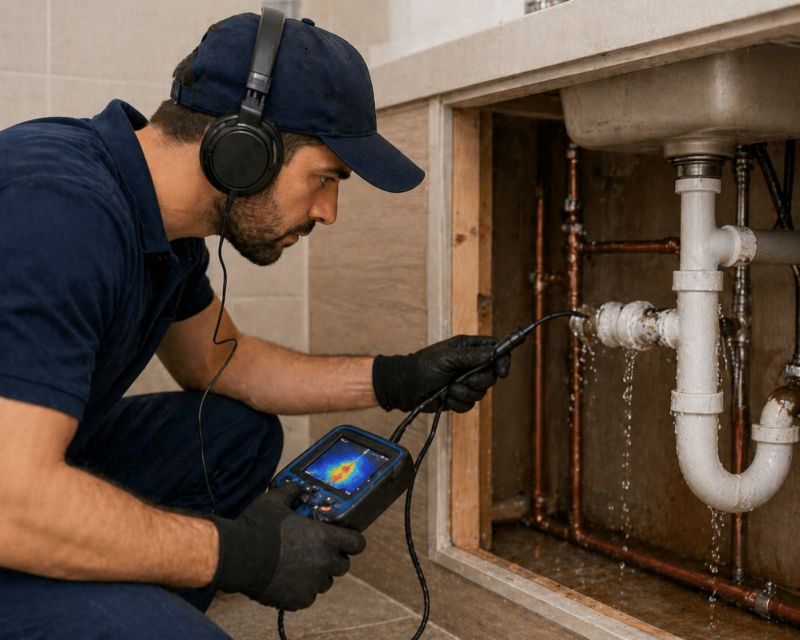
Maintaining Plumbing Integrity
Reliable detection services ensure the longevity of plumbing systems and peace of mind for property owners.
Pipe Leak Detection in Denver, CO

Pipe leak detection services involve identifying hidden leaks within plumbing systems to prevent water damage and costly repairs. These services are suitable for a variety of projects, including suspected leaks behind walls, under floors, or in underground pipes, as well as ongoing issues like unexplained water bills or damp spots. Property owners often seek leak detection when they notice signs of leaks but cannot see the source, or when they want to confirm the integrity of their plumbing before undertaking renovations or repairs.
Before requesting pipe leak detection, homeowners typically want to understand the methods used to locate leaks, such as non-invasive electronic or acoustic testing, and what areas can be examined. It’s also common to inquire about the potential need for access points or minor modifications to facilitate inspection. Knowing the scope of the service helps property owners plan for any necessary repairs and minimizes disruption to their home or business.
Many property owners in Denver, CO look into Pipe Leak Detection for repairs, replacements, upgrades, and appearance-related improvements.
Common Pipe Leak Detection Jobs
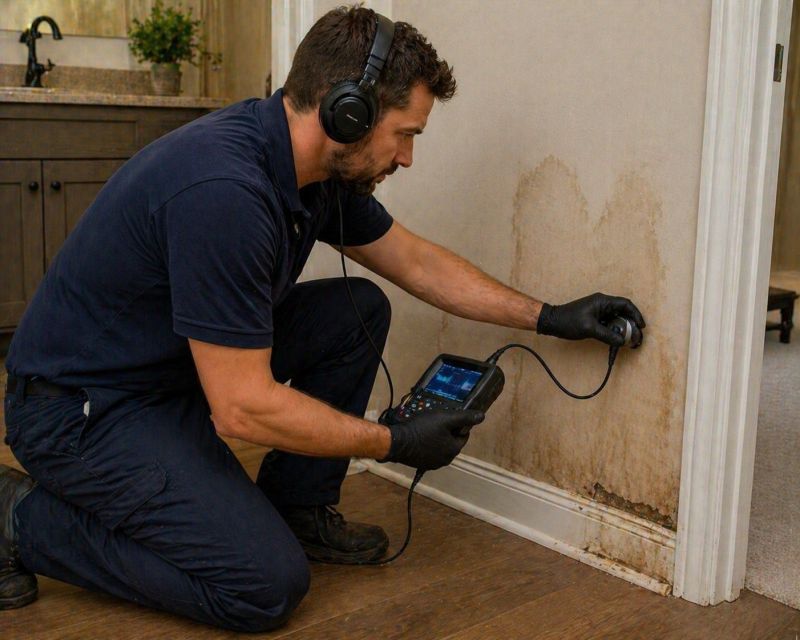
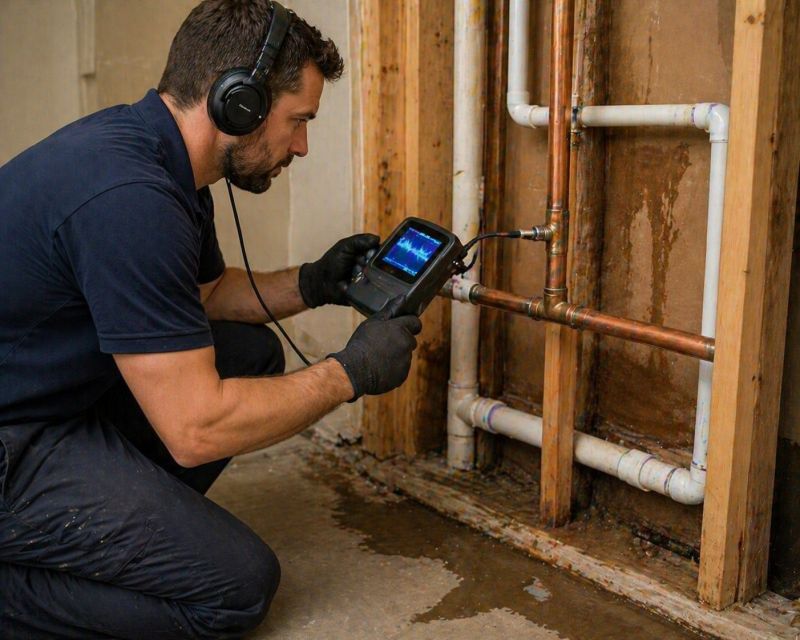
Residential plumbing systems - pinpoint hidden leaks in pipes behind walls and under floors.
Commercial properties - detect leaks in large-scale plumbing networks to prevent water damage.
Underground pipes - locate leaks without damaging landscaping or pavement.
Emergency leak detection - quickly identify and address urgent pipe leaks to minimize damage.
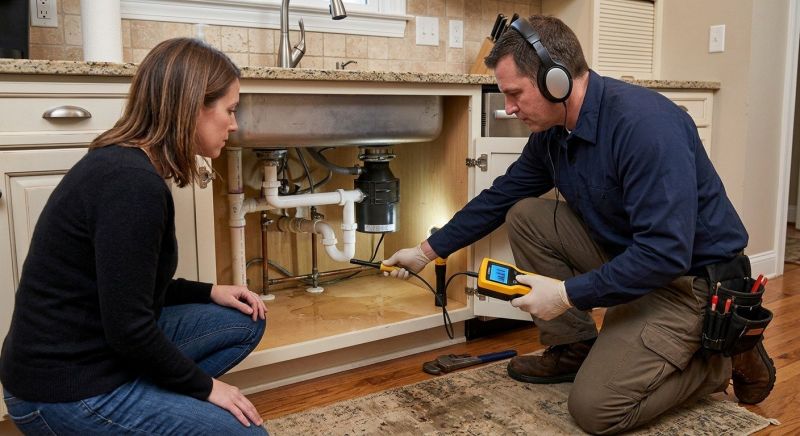
Bathroom and kitchen fixtures - find leaks around sinks, toilets, and appliances efficiently.
Pipe inspection services - use advanced technology to identify leak sources with minimal disruption.
Pipe Leak Detection Questions
How can I tell if I have a pipe leak? Signs include unexplained increases in water bills, damp spots on walls or floors, and the sound of running water when fixtures are off.
What areas do pipe leak detection services cover? These services typically focus on areas behind walls, under floors, and within underground pipes to locate hidden leaks.
What methods are used to detect leaks? Non-invasive techniques like acoustic sensors, thermal imaging, and video inspection are commonly used to find leaks without extensive damage.
Why should property owners consider leak detection? Early detection can prevent costly water damage, reduce waste, and help maintain the integrity of plumbing systems.
Request Pipe Leak Detection in Denver, CO
Use the quote form on this page to share the basics of your project and request more information for the type of work you need.